NDC SCRAP METAL CRISIS: WHO REALLY CONTROLS SCRAP SALES IN GHANA? PRESIDENT MAHAMA’S GOVERNMENT MUST ANSWER!
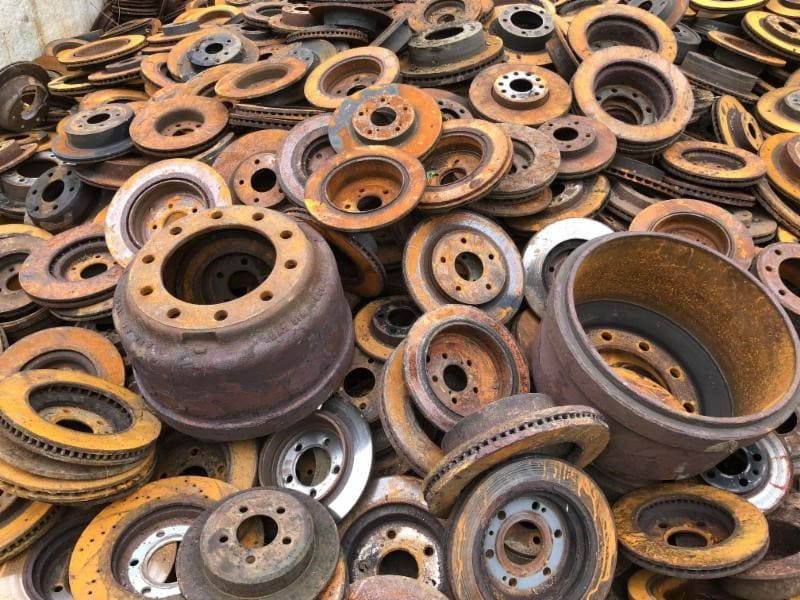
The National Democratic Congress (NDC) government’s handling of the scrap metal sector has exposed weaknesses in economic planning, unfair market interference, and the troubling optics of concentration of economic power that undermines fair competition. In 2025 and early 2026, the government moved to restrict the export of non-ferrous scrap metals: aluminum, copper, brass, lead, and zinc as part of its Feed the Industry initiative to boost local manufacturing. This policy was formally approved by Cabinet on 21 January 2026 to “protect domestic industries” and ensure raw material supply for Ghanaian factories.
While the stated intention to grow local industry is reasonable in theory, the implementation has been heavy-handed and exclusionary. Instead of building a transparent market that benefits all genuine scrap dealers, collectors, processors, and small-scale entrepreneurs who number tens of thousands nationwide, the government’s approach has left ordinary dealers with fewer buyers and limited pricing power. Independent dealers have warned that banning or sharply restricting exports effectively cuts off access to international markets where they earn better prices, risking their businesses and livelihoods.
The NDC leadership must answer: who truly buys Ghana’s scrap now that export channels are closed? Far from an open and competitive market, sources, including political critics, have repeatedly alleged that key economic actors linked to political elites now dominate access to scrap supplies and pricing mechanisms. In July 2025, the Minority in Parliament publicly accused the Mahama family’s business interests of benefiting from state influence, describing it as a form of “state capture.”
These allegations are not trivial. They reflect broad public concern that policy decisions are not being made to maximize national benefit but to favour a narrow group with close political ties. It is politically damaging when a government appears to distort markets in favour of special interests, whether real or perceived, and against the small dealer in Agbogbloshie, Kumasi, Takoradi, and towns across Ghana who depend on scrap trade to earn a daily income.
The NPP has long championed transparent markets, fair competition, and economic inclusion. Ghana cannot afford half-baked policies that isolate its business class, marginalize local enterprises, and concentrate economic power in the hands of the few. The NDC government must immediately:
1. Publish clear, audited data on scrap metal buyers and prices;
2. Ensure open, competitive access to both domestic and export markets;
3. Protect small dealers and local factories without favouritism or opacity.
Ghana’s scrap sector is too important, employing thousands, supporting manufacturing, and generating foreign exchange. It must be governed with clarity, fairness, and accountability, not political gamesmanship.
By: Blessing Mantey