
PUBLIC EQUIPMENT IS NOT PRIVATE PROPERTY: STOP THE DIVERSION OF DRIP MACHINES NOW
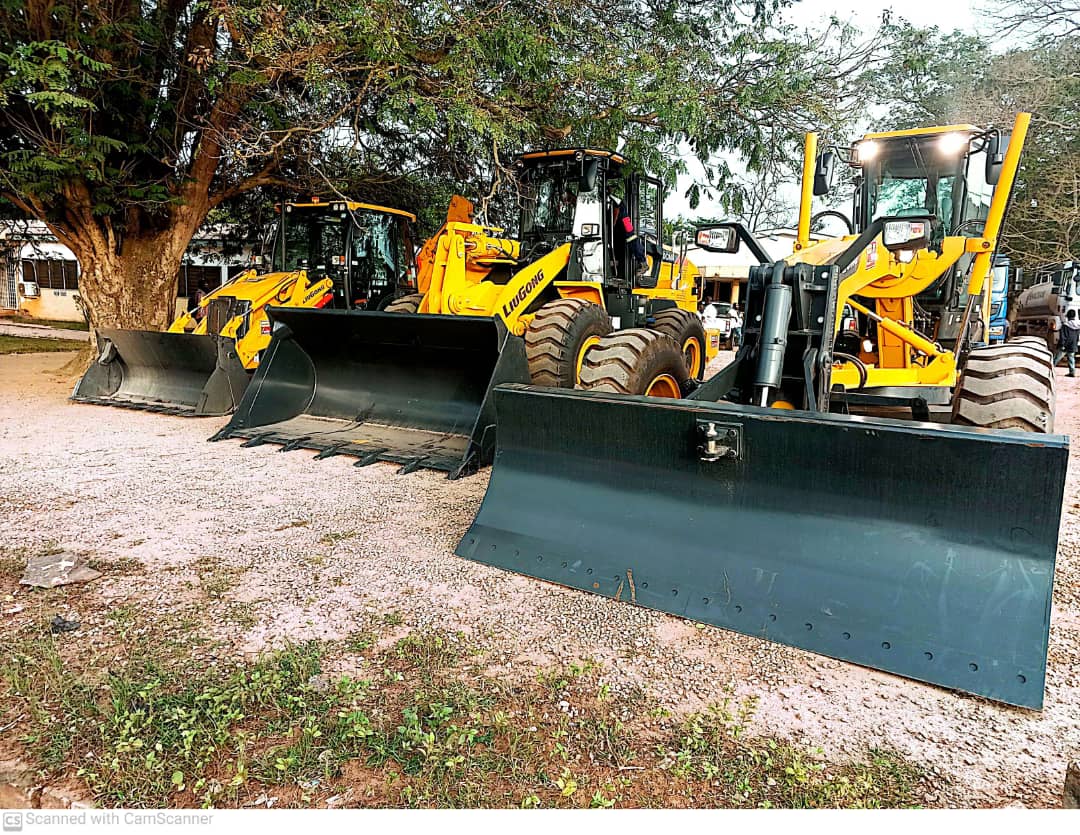
Public assets are sacred. They are procured with taxpayers’ money for public development, not for private enrichment. Any attempt to convert state-owned equipment into personal income streams is a betrayal of trust and a direct assault on accountability.
Under the New Patriotic Party (NPP) administration led by Nana Addo Dankwa Akufo-Addo and Mahamudu Bawumia, significant investments were made in decentralised development logistics. District assemblies received machinery and equipment, including drip and infrastructure support tools, to strengthen local project delivery, reduce contractor costs, and accelerate community works. The purpose was clear: empower districts, cut waste, and deepen development at the grassroots.
If credible reports now indicate that some Metropolitan and Municipal Chief Executives (MCEs) are quietly renting out such equipment as though they were private investments, the issue is grave. These assets were not procured for commercial leasing. They were purchased for roads, drainage systems, sanitation works, and district-level infrastructure. Converting them into private rental ventures is not innovation; it is diversion.
Let the facts be understood. When government procures development equipment, funding often flows through constitutionally backed mechanisms such as the District Assemblies Common Fund (DACF). These are public resources governed by strict financial administration rules. Under Ghana’s Public Financial Management framework, public property must be used strictly for its intended purpose. Any deviation invites audit queries, surcharges, and potential prosecution.
The NPP’s decentralisation strategy focused on strengthening district capacity to execute projects internally rather than over-relying on expensive external contractors. This reform was designed to save millions of cedis over time and ensure faster turnaround on community projects. If equipment is being withheld from district works and instead rented out privately, that undermines both fiscal efficiency and development outcomes.
The National Democratic Congress must speak clearly and act decisively if any of its appointees are implicated. Silence will be interpreted as tolerance. Delay will be seen as endorsement. Public equipment cannot become a shadow business enterprise for political actors.
This is not a partisan quarrel; it is a governance test. Development machinery parked for rent while communities wait for roads, culverts, and drains is unacceptable. The Auditor-General must investigate. The Ministry of Local Government must demand inventory transparency. District asset registers must be published.
The principle is simple: public assets are for public good. They are not seed capital for personal profit. Ghana deserves discipline in public service. Any official who treats government equipment as private property must face immediate administrative and legal consequences.
By: Blessing Mantey