Ghana exits IMF bailout early, reserves hit $14.5bn, rating jumps to ‘B’, and no more programme oversight.
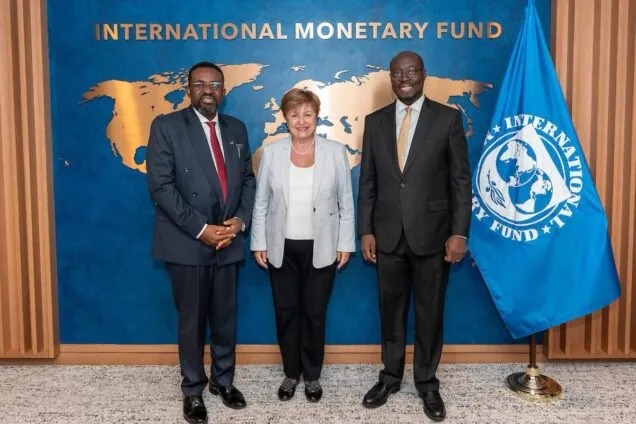
Ghana has successfully concluded its Extended Credit Facility programme with the International Monetary Fund ahead of schedule, achieving macroeconomic stability and debt sustainability, according to the government, which said the administration of President John Dramani Mahama restored the programme through fiscal consolidation, expenditure rationalisation and structural reforms after it veered off track in late 2024; the Ministry of Finance reported improvements including lower inflation, a stronger cedi, reduced public debt, economic growth recovery, and sovereign credit rating upgrades from restricted default to “B” with a positive outlook, while gross international reserves reached about US$14.5 billion by February 2026, providing nearly six months of import cover; following the end of the bailout programme, Ghana will now engage the IMF under a non-financing Policy Coordination Instrument to support reforms, strengthen policy credibility, attract investment and improve access to development financing, as the government reaffirmed its commitment to fiscal discipline, good governance, job creation and sustainable development.