POWER TARIFF PAIN: GHANAIANS DESERVE RELIEF, NOT HARDSHIP
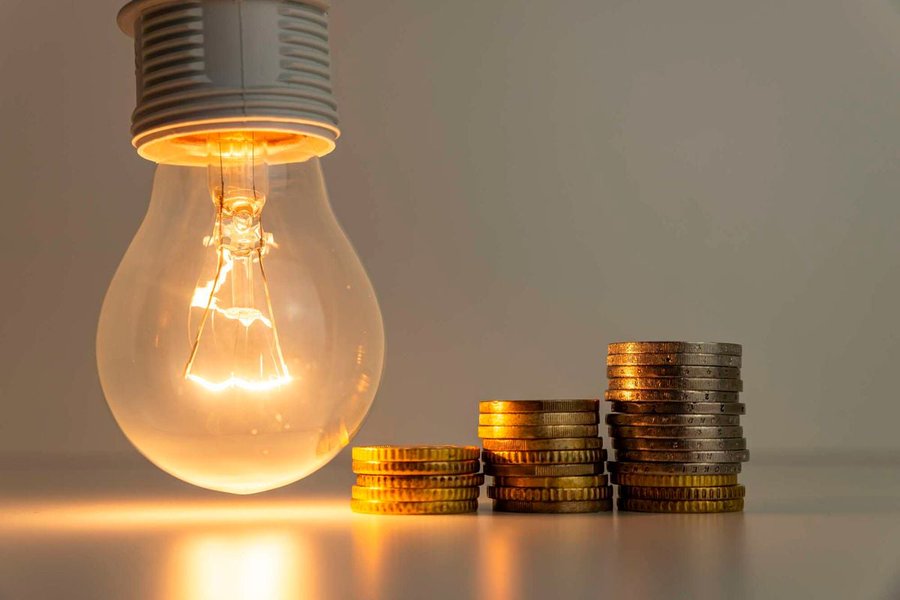
Across homes, shops, and businesses, one complaint is now constant: prepaid electricity is finishing faster than ever. The ordinary Ghanaian is buying units today and returning to top up far sooner than expected. This anxiety is real. Families are adjusting budgets weekly. Small businesses are cutting hours. The pain is visible.
Ghanaians remember that power sector mismanagement has consequences. During the era widely associated with “dumsor,” the crisis intensified around 2012–2016 under the National Democratic Congress administration. Businesses collapsed. Jobs were lost. Confidence in the economy dropped. The structural cost of that period still echoes in today’s tariffs through legacy debts, capacity charges, and power purchase agreements that bind the system for years.
The question citizens are asking today is simple: why are units depleting so quickly without explanation or communication from the government? If tariff adjustments or system recalibrations have occurred, the public deserves a transparent explanation backed by data, kilowatt-hour rates, fuel pass-through charges, and exchange rate assumptions. Silence fuels suspicion. And suspicion erodes trust.
By contrast, the New Patriotic Party (NPP) built its energy governance narrative on stabilisation and capacity expansion after 2017, ending persistent blackouts, renegotiating excess capacity agreements, and pursuing reforms aimed at financial sustainability. While challenges remain, the principle was clear: protect the consumer while restructuring the sector.
If today prepaid meters are exhausting credit unusually fast, ECG and PURC must publish comparative consumption analytics: average household usage, tariff bands, and any recent technical adjustments. Without this, citizens are left to conclude that inefficiency or worse has taken hold.
Ghanaians are not asking for miracles. They are asking for fairness. Electricity is not a luxury; it powers refrigeration, teaching and learning, health devices, and small enterprises. Any governance approach that allows unexplained cost burdens to fall on households is unacceptable.
This is not about partisan noise. It is about protecting the Ghanaian consumer. If the current stewards of the sector fail to urgently clarify, correct, and cushion the impact, they risk deepening economic hardship.
The power sector must be transparent. Tariffs must be justified. Consumers must be protected.
Anything less is a failure of leadership.
By: Blessing Mantey