NDC DUMSOR DÉJÀ VU: KUMASI, HO, AND OTHER AREAS OF GHANA IN DARKNESS
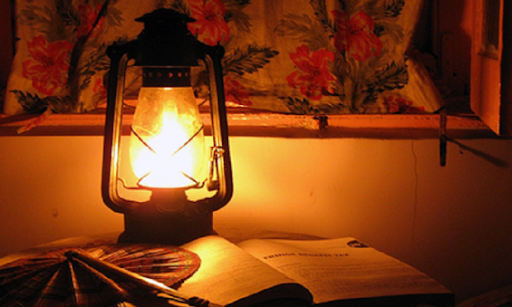
The recent intermittent power outages in Ho, other parts of Ghana, especially Kumasi, have once again reignited national concern over electricity reliability, popularly referred to as DUMSOR. While some in the NDC camp hurriedly downplay the scale of the problem, businesses, households, and everyday Ghanaians continue to feel the sting of recurring outages. These outages are highly disruptive, economically damaging, and sadly reflective of mismanagement that the NDC has failed to fix.
January 2026 begins with intermittent power cuts, with some areas spending nearly 24 hours in darkness due to NDC’s failure in power management at Ho and large sections of Kumasi. These are the very same problems that defined earlier periods of DUMSOR in 2016 under the NDC government, the systematic failure to reliably supply electricity, which cost Ghana billions in lost productivity, damaged equipment, and delayed economic progress.
Despite official assertions that the situation is not “DUMSOR,” the reality on the ground tells a different story. Business operators in Kumasi reported damaged equipment, interrupted production schedules, and plunging productivity, all hallmarks of power instability that threaten Ghana’s commercial growth. This is not abstract speculation; it is a clear and measurable threat to jobs, incomes, and investor confidence in Ghana’s second-largest economy.
Let’s be clear: intermittent outages that last hours, unpredictably disrupt daily life, undermine business confidence, and are damaging, whether they are labeled DUMSOR or not. The NDC’s inability to prevent or effectively manage these outages underscores a deeper failure in planning, investment, and energy governance.
It is important to remind Ghanaians that DUMSOR was not a minor issue in Ghana’s political history; it was a decisive national trauma that directly contributed to the electoral rejection of the NDC in the 2016 general elections. Between 2012 and 2016, Ghana endured one of the worst power crises in its history, with outages lasting 12 to 24 hours daily, crippling small and medium-scale enterprises, collapsing cold stores, shutting down manufacturing lines, and throwing thousands out of work.
Multiple post-election analyses by civil society groups, media houses, and political commentators consistently ranked DUMSOR as one of the top two reasons, alongside economic hardship, why the NDC lost power in 2016. Nearly a decade later, in 2026, the reappearance of intermittent outages under the NDC government raises an unavoidable question: Is DUMSOR back, is it an accident, or is it a structural failure that follows the NDC wherever it goes? Whether one calls it “maintenance outages” or “load management,” the pattern is unmistakable. The NDC seems unable to escape the electricity crisis that defined and disgraced its record in government. History is speaking loudly again, and Ghanaians are listening.
Ghana must not regress into cycles of power failures that choke productivity and harm households. The NDC has once again shown that its approach to power is reactive, uncoordinated, and economically harmful. The NPP, in contrast, continues to push policies that build lasting energy security and protect Ghana’s economic future. The choice for Ghana is unmistakably clear.
By: Blessing Mantey