Bokpin Warns Recurring Education Strikes Threaten Quality of Graduates
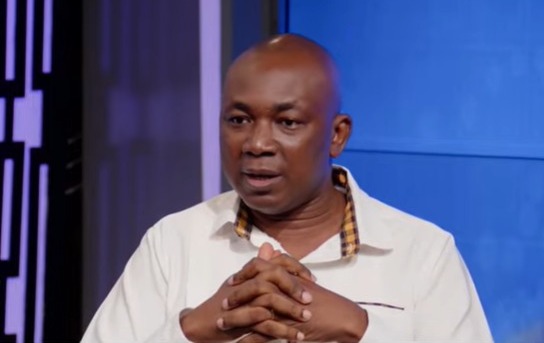
Prof Godfred Bokpin, an economist and lecturer at the University of Ghana Business School, has warned that repeated labour strikes are eroding teaching time, disrupting academic calendars and threatening the quality of graduates produced by Ghana’s education system. Speaking on JoyNews’ Newsfile on Saturday, he said recurring industrial disputes in the education and health sectors over the past 15 to 20 years pointed to a persistent challenge for national development. He stressed that even when negotiations eventually resolve disagreements, the instructional time lost cannot be recovered. The situation, he said, is particularly troubling for senior high schools operating under the Free Senior High School policy, where the double-track system and inadequate infrastructure already limit the time students spend in the classroom. He also questioned whether online lessons could adequately replace face-to-face teaching when students on double-track arrangements return home.
Prof Bokpin said universities were also struggling to maintain stable academic calendars after years of efforts to recover from disruptions caused by the COVID-19 pandemic. He cited the postponement of the next academic year’s reopening at the Kwame Nkrumah University of Science and Technology (KNUST) as an example of the uncertainty facing tertiary institutions. While acknowledging that teachers, lecturers and administrators had legitimate concerns that required attention, he urged the government to make industrial stability a priority in education. He argued that although strikes often end with negotiations and concessions to workers, the damage to learning and productivity remains. He further cautioned that fiscal discipline should not come at the expense of essential social needs, urging the government to align spending decisions with the country’s development priorities and manage labour relations more effectively to protect students’ education.